
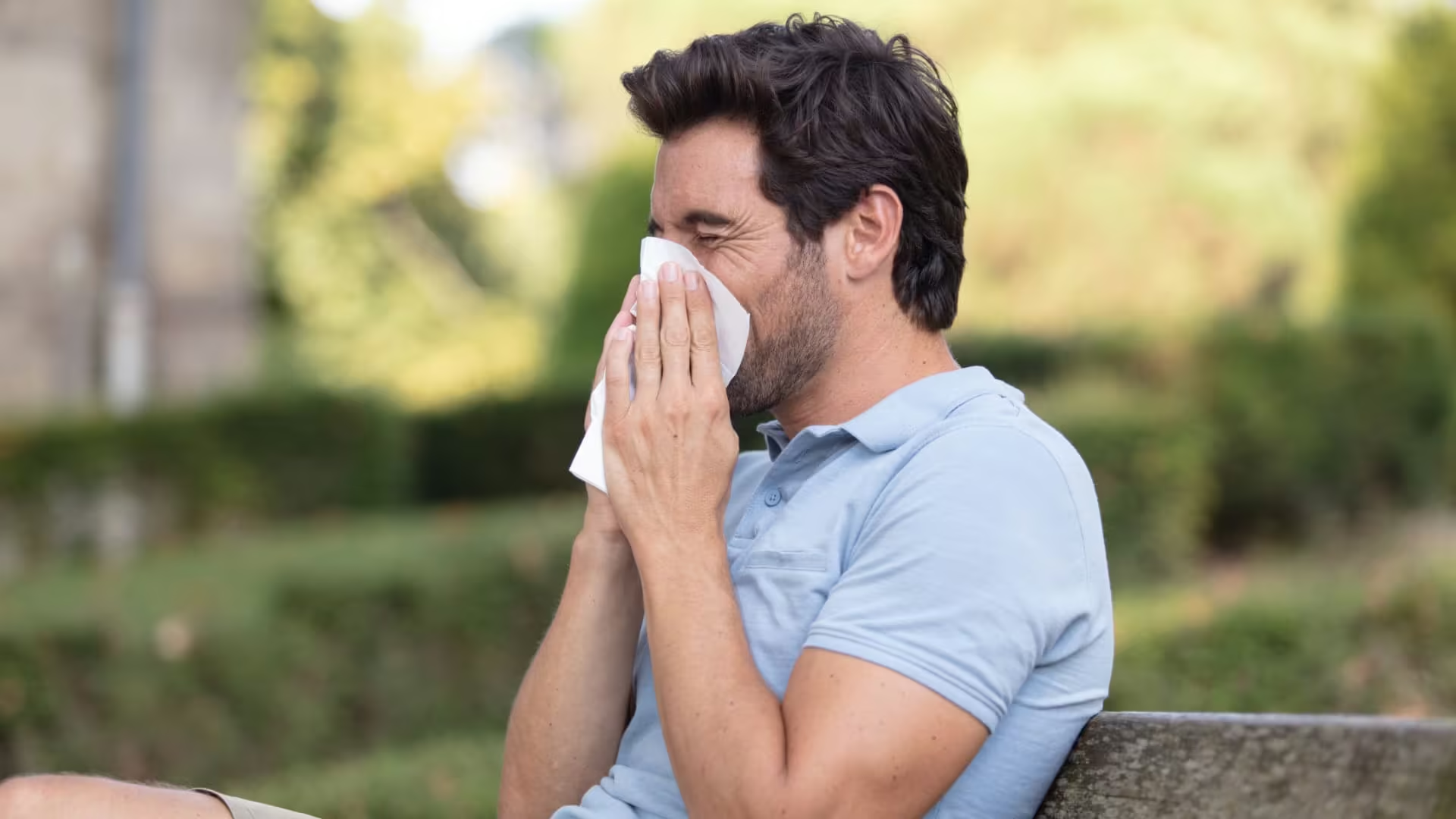

Fall allergy season can bring an enormous amount of ragweed pollen into the air. According to the American Academy of Allergy, Asthma & Immunology (AAAAI), a single ragweed plant can produce up to 1 billion pollen grains. Those lightweight grains travel easily through the air, making ragweed a major source of seasonal allergies. Ragweed is only part of the picture, though. Cooler temperatures, changing humidity, mold spores, and shifts in other airborne allergens can all affect how your nose and sinuses feel.
If congestion, pressure, or postnasal drip seems to return every autumn, there may be a seasonal pattern behind it. Keep reading to learn what causes fall sinus symptoms, why they can linger, and when it may be time to see the best sinus doctor in Santa Monica for answers.
Why Do My Sinuses Get Worse When the Weather Changes?
The connection between weather changes and sinuses becomes especially noticeable in fall, when cooler outdoor temperatures and heated indoor environments expose the nasal passages to frequent changes in temperature and humidity. These shifts can affect mucus consistency and sinus drainage, contributing to seasonal sinus symptoms such as congestion and pressure.
Several changes can contribute to fall sinus problems:
- Lower humidity can thicken mucus: Mucus needs enough moisture to remain thin and drain easily from the sinuses. As fall air becomes drier, mucus can thicken and move less efficiently through the sinus drainage pathways, contributing to congestion and pressure.
- Indoor heating can increase dryness: Turning on the heat removes additional moisture from indoor air, which can dry the nasal passages and affect the moisture and movement of mucus. As mucus becomes harder to clear, normal sinus drainage may become less efficient and contribute to congestion or pressure.
- Frequent temperature changes can affect sinus drainage: Your nose warms and humidifies incoming air before it reaches your lungs. When you repeatedly move between chilly outdoor air and warmer indoor spaces, the blood vessels in the nasal lining expand and contract in response to the changing temperature. In some people, these vascular changes can cause the surrounding tissues to swell and increase mucus production. That swelling can narrow the openings through which the sinuses drain, contributing to congestion and sinus pressure.
What Are the Most Common Fall Allergy Triggers?
Weather is only one part of the fall sinus equation. Autumn also changes the allergens circulating outdoors and the ones you encounter as you begin spending more time inside. When you inhale an allergen you are sensitive to, your immune system releases histamine and other chemicals that can cause inflammation, swelling, and increased mucus production, all of which can interfere with normal sinus drainage. Below are some of the most common fall allergens that can contribute to sinus issues.
Why Won't My Fall Sinus Symptoms Go Away?
Persistent sinus symptoms can continue throughout the fall when inflammation interferes with how well your sinuses drain. The sinuses normally produce mucus that drains through small openings, but swelling around these pathways can restrict that drainage and allow mucus to build up.
Fall can make this problem especially persistent because the triggers do not necessarily disappear after a day or two. Repeated exposure to pollen, mold, and other allergens can contribute to ongoing swelling and mucus production, while dry air can make mucus thicker and more difficult to clear. Over time, these seasonal factors can prolong sinus inflammation and symptoms, while also aggravating chronic sinus inflammation in people who already experience it.
When Should I Seek Care for Fall Sinus Symptoms?
It may be time to schedule an evaluation for your fall sinus symptoms if you:
- Develop congestion, sneezing, postnasal drip, or itchy and watery eyes every fall
- Notice symptoms lasting for several weeks as the season progresses
- Cannot tell whether pollen, mold, or another fall allergen is triggering your symptoms
- Rely frequently on over-the-counter allergy medications throughout the fall
- Find that symptoms interfere with sleep, work, exercise, or time outdoors
- Experience what seem like repeated sinus infections during the fall months
The best sinus specialist in Santa Monica can evaluate why your symptoms keep returning and whether fall allergies, seasonal changes, or another issue is interfering with normal sinus function. This can be particularly helpful when symptoms return each autumn or continue despite your usual approach to managing them.
When allergies appear to play a role, allergy testing can identify sensitivities to ragweed, other pollens, mold, and additional allergens. Your doctor can then use those findings alongside your sinus evaluation to develop a treatment plan based on what is contributing to your symptoms.
Find the Best Sinus Doctor in Santa Monica
Fall weather and seasonal allergens can worsen sinus symptoms and keep them lingering throughout the season. If your symptoms persist or keep returning, seeking care can be an important step toward meaningful relief.
Board-certified otolaryngologist Dr. Payam Daneshrad specializes in rhinology and treats a wide range of conditions affecting the nose and sinuses in adults and children. A graduate of the University of California, Berkeley, and Tulane University School of Medicine, Dr. Daneshrad has published work in medical journals and brings extensive experience in both medical and surgical ENT care. His expertise includes minimally invasive sinus surgery and stereotactic techniques, with an emphasis on effective treatment while minimizing discomfort and recovery time whenever possible.
.svg)


.svg)


.svg)
.svg)

.svg)
.svg)
.svg)