
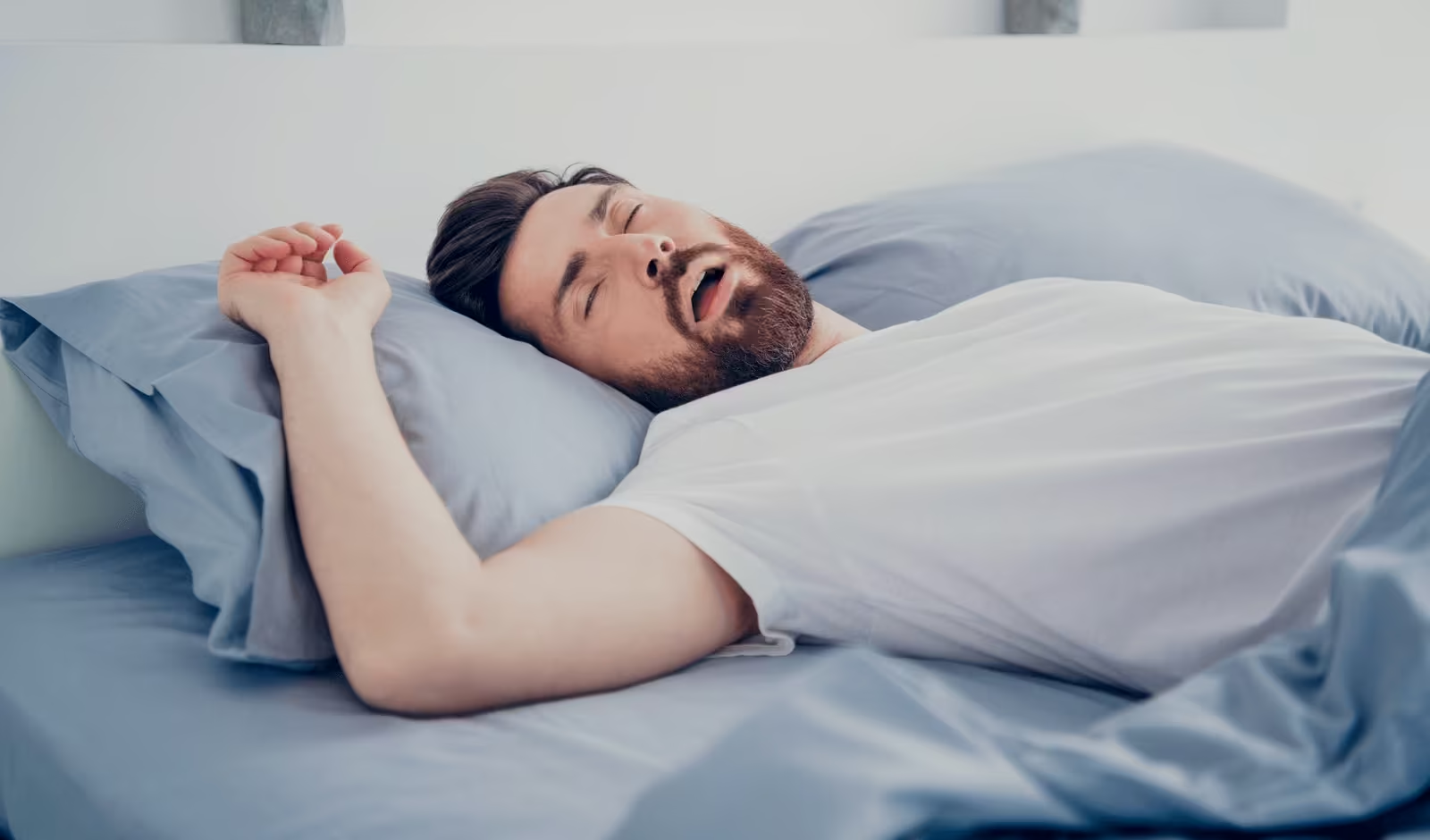

If there's a running joke about earplugs over breakfast, a collection of pillows you’ve tried over the years, or the quiet assumption that snoring is just an unfortunate trait that runs in the family, you may be dealing with something more than just snoring. For roughly 25% to 50% of adults who snore on a regular basis, snoring is actually a sign of obstructive sleep apnea, a condition tied to high blood pressure, heart disease, stroke, and type II diabetes.
Unfortunately, most people don’t even realize this is an issue. Research estimates that more than 80% of adults with moderate to severe obstructive sleep apnea are living with this condition undiagnosed, often chalking up their morning brain fog and afternoon crashes to a bad mattress or a long week.
Continue reading to learn how to tell the difference between harmless snoring and a real medical concern, and when the right next step is a visit with the best ENT in Torrance rather than another trip to the drugstore for nose strips or another new pillow.
What's the Difference Between Snoring and Sleep Apnea?
Snoring and sleep apnea share some common symptoms, but are completely different conditions:
- Snoring is a noise that happens when air pushes past relaxed tissue in the back of the nose and throat, and that tissue vibrates like a flag in the wind.
- Obstructive sleep apnea is a breathing disorder that occurs when the airway doesn't just narrow but actually collapses, cutting off air for 10 seconds or longer at a time. These pauses can repeat dozens of times an hour without the sleeper ever knowing.
While snoring on its own may be annoying, sleep apnea drops oxygen levels in the blood and fragments sleep, which is why it carries lasting consequences for the heart, brain, and metabolism over time. It’s important to clarify that most people who snore do not have apnea, but most people who have apnea do snore.
How to Know if Your Snoring is Actually Sleep Apnea
Certain patterns turn ordinary snoring into something worth taking seriously:
- Gasping, choking sounds, or long silences followed by a sudden snort are classic signs that breathing actually stopped for a moment.
- Waking up with a dry mouth, a headache, or the sense that sleep did nothing to recharge you points toward a night of broken rest.
- Falling asleep at red lights, in meetings, or in front of the TV after seven or eight hours in bed is not normal tiredness.
- A snore loud enough to be heard through a closed door, happening almost every night, also deserves a closer look.
What Causes Snoring and Sleep Apnea?
Anatomy is a big piece of the picture. The following anatomy often influences your risk of developing sleep apnea:
- A deviated septum
- Enlarged tonsils or adenoids
- A thick neck
- Extra tissue at the back of the throat
Lifestyle factors stack on top of that:
- Carrying extra weight, especially around the neck
- Alcohol, sleeping pills, and some allergy medications relax throat muscles
- Sleeping flat on the back
- Aging, since muscle tone in the throat naturally fades over the years
How is Sleep Apnea Diagnosed?
The only way to confirm sleep apnea is to measure breathing during sleep, and that takes a sleep study. There are two main versions:
- A polysomnogram is done overnight in a lab, where sensors track breathing, oxygen levels, brain activity, heart rate, and sleep stages.
- A home sleep apnea test is a smaller setup that the patient wears in their own bed, which works well for most adults with clear symptoms.
Before any of that, a screening tool such as STOP-BANG or the Epworth Sleepiness Scale, which are short questionnaires that flag who needs further testing. A comprehensive exam of the airway itself is also helpful. This includes a nasal endoscopy, a physical exam of the throat and palate, and sometimes imaging can find the structural problems that a sleep study cannot see. If structural problems are found, getting the best sleep endoscopy in Torrance is the best way to get an accurate diagnosis and treatment.
When Should You See an Ear, Nose, and Throat Doctor for Snoring?
Drugstore solutions like Nasal strips, side-sleeping pillows, and saline rinses can provide temporary relief when the problem is mild nasal congestion or a stuffy nose from allergies. However, these products cannot open an airway that is collapsing under its own weight, and they cannot fix a deviated septum or oversized tonsils.
Additionally, seeing an ENT for the best snoring treatment in Torrance is important if you’re dealing with symptoms like:
- Loud nightly snoring
- Witnessed pauses in breathing
- Chronic nasal blockage that does not respond to medication
- Repeated sinus infections
- Daytime fatigue that lasts more than a few weeks
What is the Best Sleep Apnea Treatment in Torrance?
Treatment depends entirely on what is causing the problem and how severe it is. For mild snoring or mild apnea, lifestyle changes can have a huge impact. This includes:
- Losing 10 percent of body weight
- Sleeping on the side instead of the back
- Cutting back on alcohol within a few hours of bedtime
- Treating nasal allergies
For moderate to severe sleep apnea, CPAP therapy is still the most effective treatment available. This machine sends a steady stream of air through a mask that keeps the airway propped open all night. Some patients do better with an oral appliance, which looks like a sports mouthguard and gently shifts the lower jaw forward to make more room for air. Newer options include the Inspire implant, a small device placed under the skin that stimulates the tongue muscle during sleep to keep the airway open.
Surgery becomes an option when the structure is the root cause. Procedures like septoplasty, turbinate reduction, tonsillectomy, and soft palate surgery can fix the physical problem rather than work around it.
Finding the Best ENT in Torrance for Sleep Apnea Treatment
Ignoring symptoms of sleep apnea can allow a treatable condition to quietly raise your blood pressure, wear on your heart, and steal the energy you need during the day. Dr. Daneshrad treats snoring and sleep apnea with expert precision and the most advanced treatments on the market.
With offices in Santa Monica and Torrance, our team examines the structure causing your symptoms, walks through every treatment option from CPAP alternatives to in-office procedures, and builds a plan that fits your anatomy rather than a template.
.svg)


.svg)


.svg)
.svg)

.svg)
.svg)
.svg)